
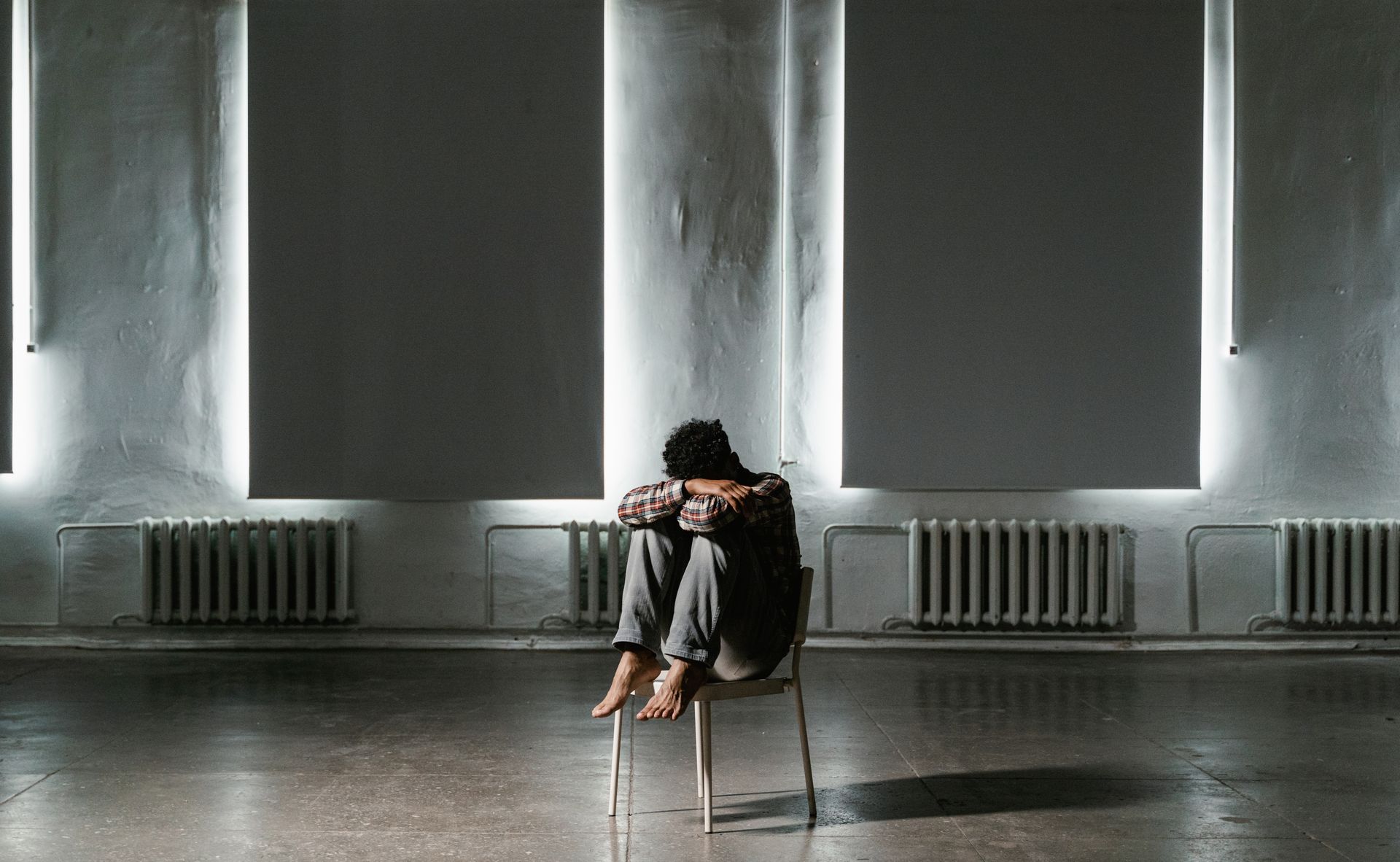
But we have clear steps to help you take care of your mental health.
Crisis prevention. This should include:
- information preparation about the changes that will occur in your life. It is worth considering what difficulties you may encounter and how you will be able to cope with them. Knowledge adds peace and confidence;
- develop a psychological assistance plan in case of exacerbation or in case of a crisis situation (suicidality, loneliness, self-criticism, etc.). Such a plan can be developed independently, or together with a psychotherapist/psychologist. What can be included in this self-help plan? Self-support cards; meditations; photos and videos of people who are important to you; agreement with specific people about the possibility of asking them for support; saved numbers of emergency psychological support services by phone, etc. This is your “mental health emergency kit”.
Physical health care:
- During the period of change, our body is already having a hard time. It definitely doesn’t need complications, the stress that comes with new things in life is enough. So it’s worth taking care of your body: get a good night’s sleep in a room with adequate air quality (humidity 40-60%, temperature 18-23 degrees), have regular physical activity that you REALLY enjoy (otherwise it’s additional stress);
- It is important not to forget about an annual health check-up, because anemia or vitamin deficiencies (e.g. vitamins D, B12, B6) can have a very negative impact on your ability to adapt adequately;
- Chronic disease control;
- Referral to a psychiatrist if you feel extremely unwell emotionally (it is recommended to complete questionnaires, such as the Beck Depression Inventory, the Beck Anxiety Inventory, the PHQ-9 Depression Inventory). Based on the results of the questionnaires, you cannot diagnose yourself, but you can monitor your condition in order to seek quality professional help in a timely manner.
Creating a social support environment:
- reduce/stop communicating with those who harm or hurt you;
- maintain communication with those people with whom you share values or\and goals; who are sensitive to you;
- finding a new environment where you will feel safe (new friends, acquaintances; visiting clubs or sections, a psychologist).
Psychological self-help. This should include exercises that help you cope with stress. These exercises can also be part of an “anxiety backpack” for crisis prevention:
- progressive muscle relaxation by E. Jacobson;
- visual relaxation exercises (my safe place, self-support);
- breathing exercises (deep breathing, “4-7-8” breathing, etc.).
- We recommend using these exercises not only in moments of crisis, but as often as possible (daily/every other day) to cope with stress and tension. If such exercises are part of your routine, you will feel much better.